



12 Jan Why Some Antique Furniture Restoration Projects Fail Spectacularly
Restoring antique furniture feels exciting. You uncover history. You revive craftsmanship. You bring something old back to life. But sometimes, a well-intended restoration goes wrong. Not just a little wrong. Catastrophically wrong. The piece loses value, loses structure, or loses its character entirely.
So why does this happen? And more importantly, how can you avoid it?
Using Modern Shortcuts on Historic Materials
Old furniture was built differently. Handmade joinery. Natural glues. Solid wood that behaves with humidity.
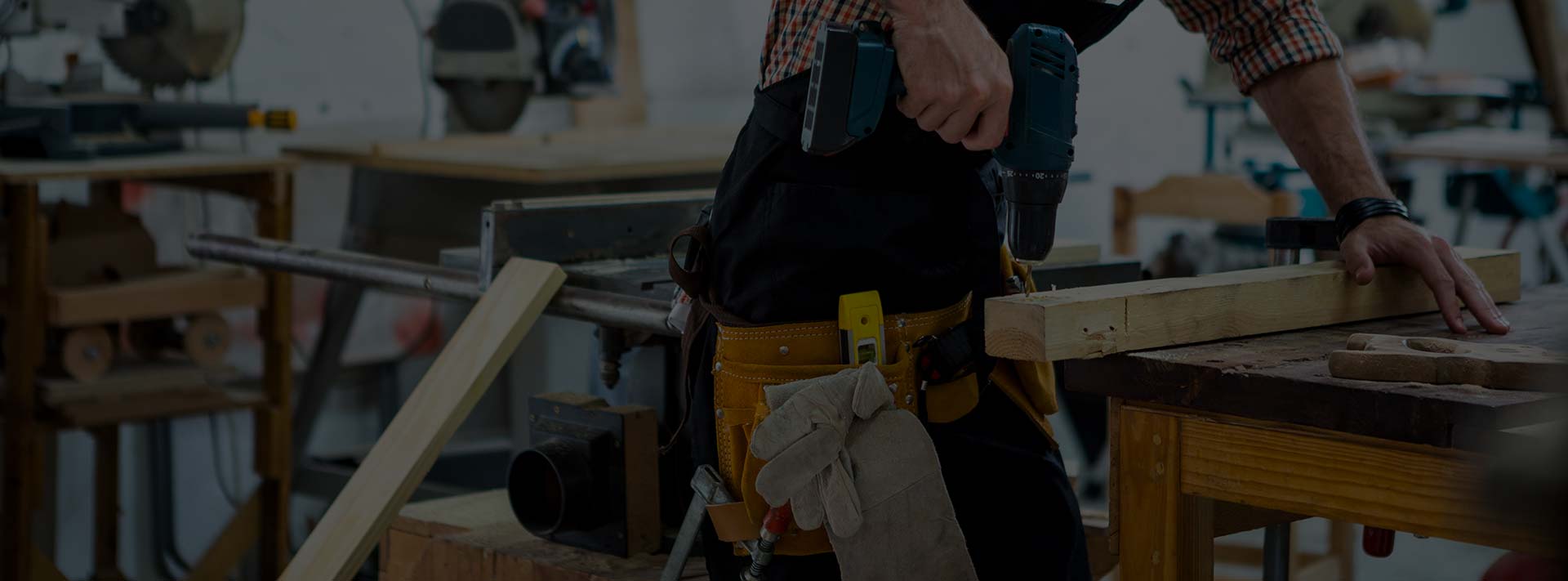
Modern shortcuts, like construction screws, liquid nails, and harsh sanders, can damage original structure. They force the wood instead of working with it. Over time, cracks appear, creaks worsen, and details vanish. Antique furniture rewards patience. It punishes shortcuts.
Stripping Away Original Finishes
Many people see a worn finish and think, “Sand it down and start fresh.” That instinct is often disastrous.
Original finishes carry patina. Depth. Value. They tell the story of use and time. Removing them can instantly drop the piece’s worth, both financially and historically. Sometimes cleaning, conditioning, or gently restoring the surface preserves more beauty than a full strip ever could.
Replacing Original Parts with “Better” Ones
Handles break. Veneer chips. Decorative elements loosen. Instead of repairing, some restorers replace parts completely.
The result? A piece that looks newer but loses authenticity. Antiques do not need perfection. They need integrity.
Here is a better approach many seasoned restorers follow:
- Repair before replacing
- Match materials carefully
- Keep original hardware whenever possible
- Document any changes
Subtle, respectful work outlasts dramatic overhauls.
Ignoring Wood Movement
Wood breathes. Expands in humidity. Contracts in dry air. Antique builders designed furniture with this in mind.
When modern fixes lock everything tight, the wood has nowhere to move. Cracks form. Joints split. Drawers stick. Successful restoration respects this natural movement instead of fighting physics.
Over-Restoring for Looks Instead of Longevity
Some restorations chase beauty. High gloss finishes. Perfect symmetry. Ultra-smooth edges. But antiques were not meant to look like modern factory pieces. Over-restoring removes tool marks, softens carving details, and creates a look that feels strangely fake.
The goal should be to stabilize, protect, and honor the original craftsmanship, not erase it.
Using The Wrong Glue
It sounds simple, but glue choices destroy antiques all the time. Furniture glues need reversibility. Traditional hide glue can be warmed and released without harming wood. Many modern glues permanently bond, making future repairs impossible.
The wrong adhesive today becomes someone else’s nightmare later.
Conclusion
Antique furniture restoration fails spectacularly when the goal becomes “make it look new” instead of “help it survive gracefully.”
Respect the materials. Preserve original elements. Avoid shortcuts. And when in doubt, slow down. Ancient craftsmanship deserves thoughtful hands, not rushed repairs. Done correctly, restoration does more than fix furniture. It protects history, one careful decision at a time.