


26 Apr The Tools Pros Use That Most People Have Never Heard Of
Upholstery tools go far beyond staple guns and scissors. Professionals rely on specialized equipment designed for precision, efficiency, and clean results. Many of these tools are unfamiliar to beginners, yet they play a key role in achieving a refined finish.
Tools Designed for Control and Accuracy
Professional tools are built to provide control in tight or delicate areas. Standard tools often lack the precision needed for detailed work. Specialized options allow for cleaner placement, better alignment, and reduced material damage.
This control becomes especially important when working with fine fabrics or complex shapes.
Hidden Tools That Shape the Final Result
Some tools are rarely seen but make a significant impact on the outcome.
These include:
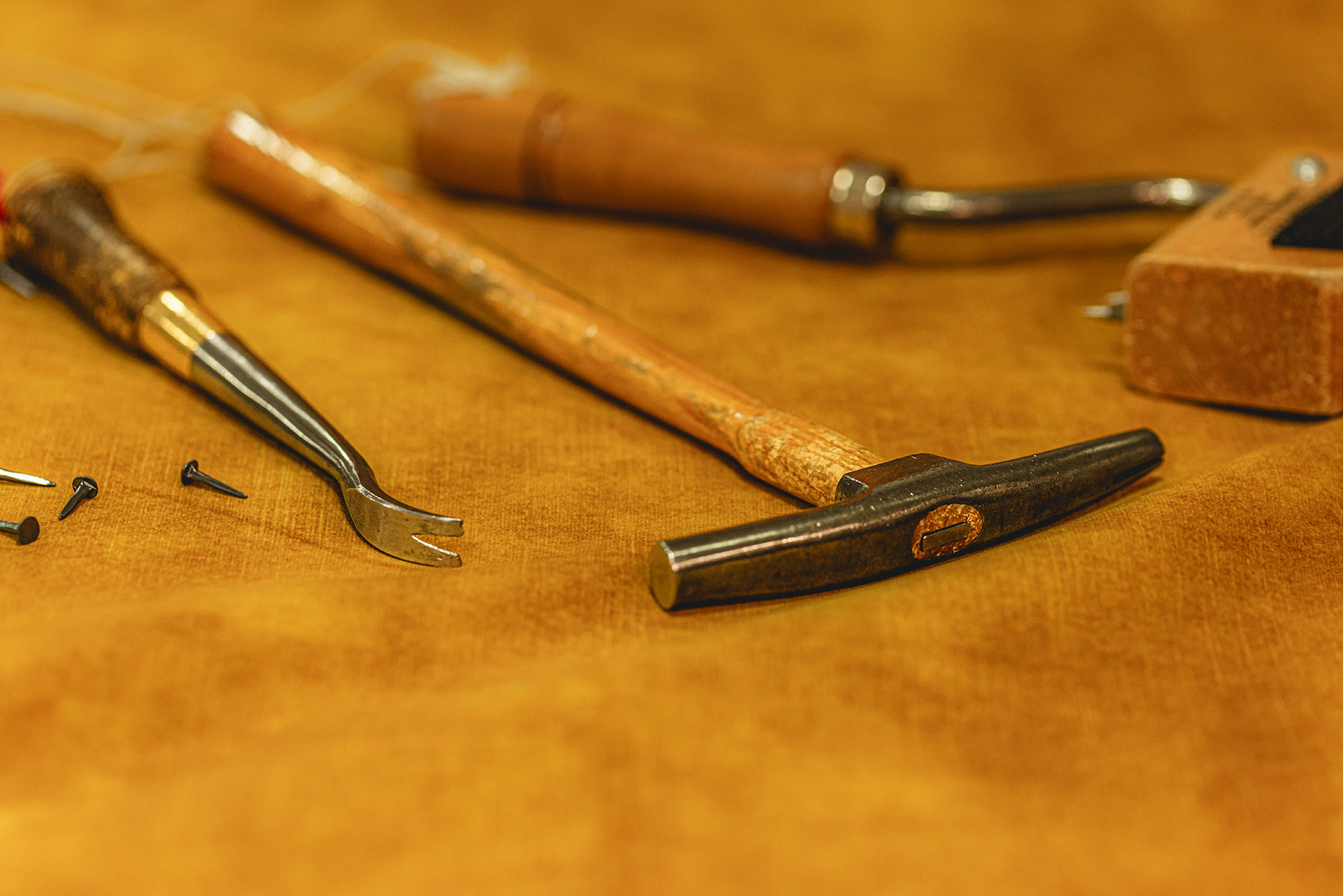
- Magnetic tack hammers that allow for precise placement without shifting fasteners
- Webbing stretchers that create consistent tension in support materials
- Regulator needles used to adjust stuffing and smooth surfaces from within
Each of these tools addresses a specific challenge that standard equipment cannot handle as effectively.
Efficiency Without Sacrificing Quality
Professional tools are not just about results. They also improve workflow. Tasks that would take longer with basic tools become faster and more consistent. This reduces fatigue and allows for better focus on detail.
Efficiency in this context does not mean rushing. It means removing unnecessary effort so attention can stay on the craft.
Tools Support Technique, They Don’t Replace It
Having the right tools does not guarantee professional results. They work in combination with technique and experience. A regulator needle, for example, is only effective if the user understands how to shape and adjust the material beneath the surface.
Tools enhance precision, but they rely on skilled use.
Why Most People Never Encounter Them
Many of these tools are not found in standard retail settings. They are part of a specialized trade, often introduced through hands-on experience rather than general instruction. As a result, DIY upholsterers may never realize what they are missing. They work harder to achieve results that professionals reach more efficiently. Understanding these tools offers insight into what separates basic work from refined craftsmanship.