


12 Jun What Is Upholstery? The Hidden Craft Behind Every Comfy Seat
Ever sunk into a plush armchair and wondered what magic transforms a wooden skeleton into something so cozy? That magic has a name, and it’s been quietly shaping our homes, cars, and offices for centuries. If you’ve ever asked yourself “whats upholstery” while scrolling through furniture catalogs or watching a restoration show, you’re about to get the full picture.
Upholstery is more than just fabric stretched over a frame. It’s a craft, a science, and honestly, a bit of an art form that turns hard surfaces into the comfortable seating we often take for granted.
What Is Upholstery? (Quick Answer)
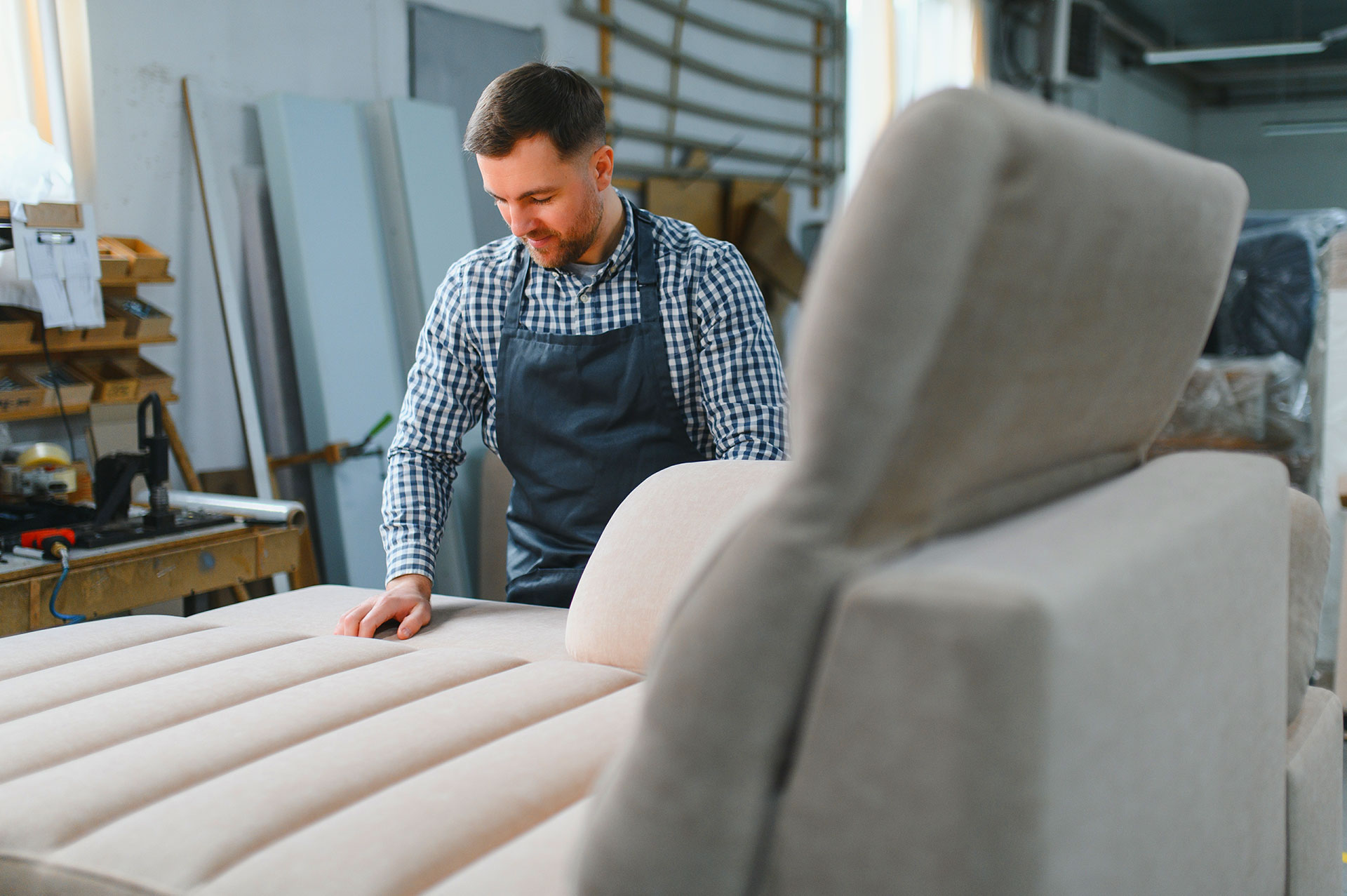
Upholstery is the craft of providing furniture, especially seats, with padding, springs, webbing, and fabric or leather covers. The term also refers to the soft, cushioned materials themselves. Upholsterers shape these layers around a frame to create comfortable, durable, and visually appealing furniture pieces.
The Origins: A Quick Look at Upholstery’s Backstory
The word “upholstery” traces back to the Middle English term “upholder,” referring to a tradesperson who held up or repaired goods. By the 17th and 18th centuries, upholstery had become a refined craft across Europe, particularly in France and England, where royalty demanded ever more elaborate furnishings.
Back then, upholsterers used materials like horsehair, straw, hay, and even dried moss for stuffing. Springs didn’t enter the picture until the mid-1800s, and they completely revolutionized how we sit, lounge, and sleep.
What Does Upholstery Actually Include?
When someone says a piece of furniture is “upholstered,” they’re talking about a layered system. Each layer plays a specific role in comfort and longevity.
- Frame: Usually hardwood, this is the skeleton that everything attaches to.
- Webbing: Strong woven straps that provide the base support beneath cushions.
- Springs: Coil or sinuous springs add bounce and shape.
- Padding: Foam, cotton, wool, or down that fills out the form.
- Cover: The visible fabric, leather, or vinyl layer.
- Trim: Decorative details like piping, tufting, or nailheads.
Types of Upholstery You’ll Encounter
Residential Upholstery
This is what you see in your living room. Sofas, armchairs, ottomans, dining chairs, and headboards all fall under this category. The focus tends to be on comfort, style, and matching home aesthetics.
Commercial Upholstery
Think restaurant booths, hotel lobbies, and office seating. These pieces need to withstand heavy use, so the materials are tougher and often treated for stain and fire resistance.
Automotive Upholstery
Car seats, headliners, door panels, and dashboards all involve specialized upholstery work. It’s a niche field that blends traditional skills with knowledge of modern synthetic materials.
Marine Upholstery
Boats need upholstery that resists UV rays, saltwater, and mildew. Vinyl is king here, often with antimicrobial treatments built right in.
Common Upholstery Fabrics
- Cotton
- Linen
- Velvet
- Polyester blends
- Microfiber
- Chenille
Common Upholstery Leathers
- Full-grain leather
- Top-grain leather
- Bonded leather
- Faux leather (PU)
- Nubuck
- Suede
Why Upholstery Matters More Than You Think
Upholstery shapes how we experience our spaces. A well-upholstered sofa can last decades, while a poorly made one might sag within a year. Beyond comfort, upholstery affects acoustics, indoor air quality, and even the mood of a room.
There’s also a strong sustainability angle. Reupholstering an old, well-built frame is far greener than buying new. You save a quality piece from the landfill and get something custom in the bargain.
The Tools and Skills Behind the Craft
Upholstery isn’t something you pick up in an afternoon. Professionals train for years, mastering everything from frame repair to pattern matching. The work demands patience, precision, and a deep understanding of materials.
If you’re curious about what goes into the trade or thinking about trying a project yourself, having the right gear makes all the difference. From staple guns to webbing stretchers, the essential tools for upholstery separate hobbyist results from professional finishes.
DIY vs. Professional Upholstery
When to DIY
- Simple dining chair seat recovers
- Small ottomans or footstools
- Headboards without complex curves
- Cushion cover replacements
When to Hire a Pro
- Antique or heirloom pieces
- Sofas with intricate tufting or coil springs
- Leather work
- Anything with structural frame damage
How Long Does Upholstery Last?
Quality upholstery on a well-built frame can last 15 to 25 years with proper care. Factors that affect longevity include fabric choice, daily use, sunlight exposure, pets, and cleaning habits. High-traffic pieces in family homes typically need refreshing every 7 to 10 years.
Caring for Upholstered Furniture
- Vacuum weekly to remove dust and debris that wear down fibers.
- Rotate cushions regularly for even wear.
- Blot spills immediately rather than rubbing them in.
- Keep furniture out of direct sunlight to prevent fading.
- Schedule deep cleaning every 12 to 18 months.
Frequently Asked Questions
Is upholstery the same as furniture?
No. Upholstery refers specifically to the soft covering, padding, and springs on furniture. A piece of furniture can be upholstered or not. Wooden chairs without padding are furniture but not upholstered.
Can you reupholster any piece of furniture?
Most pieces can be reupholstered, but it depends on the condition of the frame. Solid hardwood frames with tight joints are ideal. Cheap pressboard frames often aren’t worth the investment.
How much does professional upholstery cost?
Costs vary widely based on the piece, fabric, and labor in your area. A dining chair might run 75 to 200 dollars, while a sofa can range from 800 to over 3,000 dollars including materials.
What’s the most durable upholstery fabric?
Synthetic blends like polyester, olefin, and microfiber offer excellent durability. Look for a fabric with a high double rub count (over 15,000) for heavy use.
Is leather better than fabric for upholstery?
It depends on your lifestyle. Leather lasts longer and cleans easily but costs more upfront. Fabric offers more variety in color and texture but typically needs more frequent care.
Can I upholster something myself with no experience?
Absolutely, start with a simple project like a drop-in dining chair seat. You’ll learn the basics of stretching, stapling, and finishing without overwhelming complexity.
Final Thoughts
So, whats upholstery in the end? It’s the hidden craft that makes our furniture livable, our cars comfortable, and our spaces feel like home. From the frame up to the final stitch, every layer matters. Whether you’re considering reupholstering a beloved heirloom, picking out a new sofa, or thinking about learning the trade yourself, understanding upholstery helps you make smarter choices and appreciate the artistry around you. Comfort, after all, doesn’t happen by accident.