


20 Dec Why Some Decorative Nails Always Come Loose While Others Stay Put
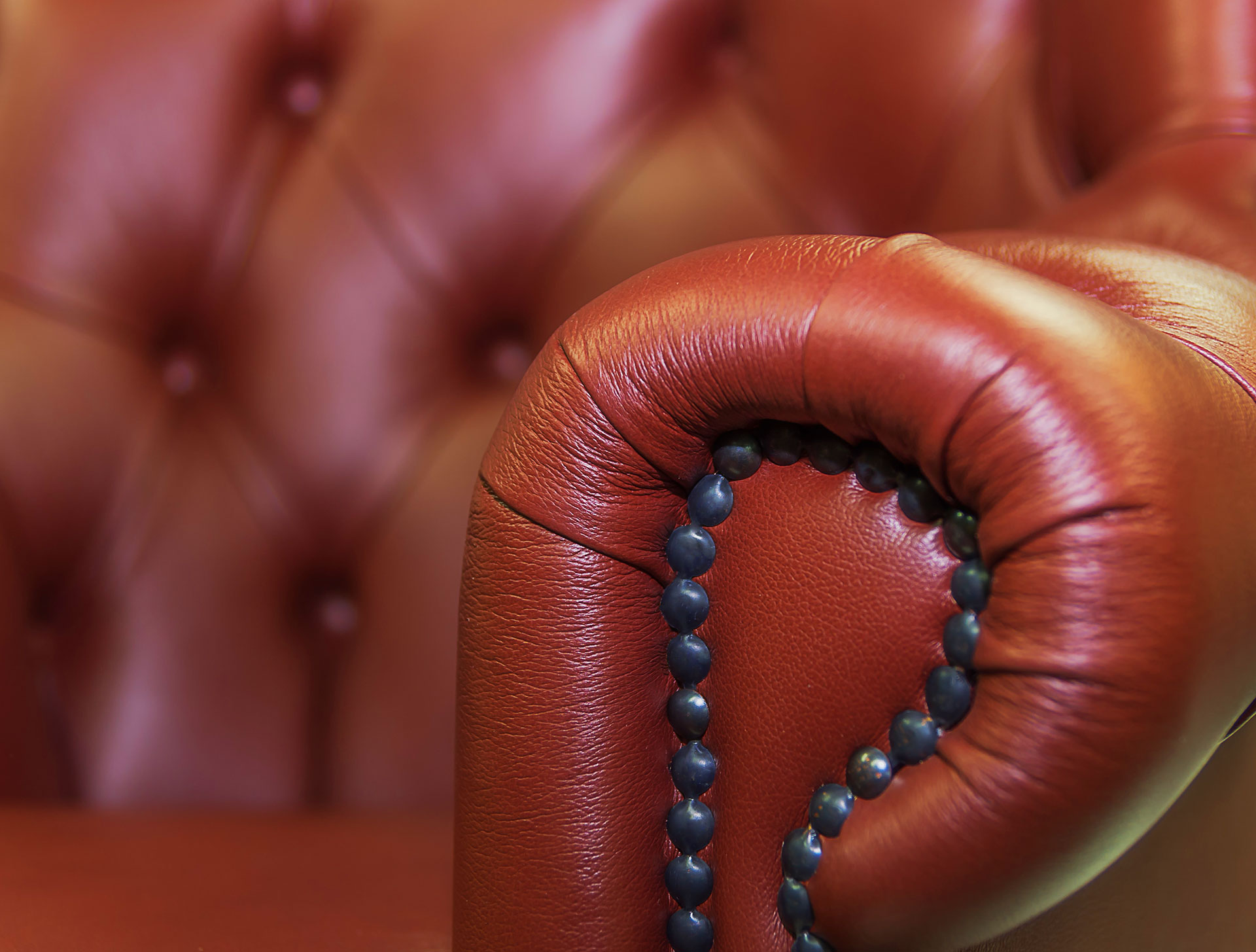
Decorative nails look simple. Tiny metal accents, lined up in perfect rows, adding character to a chair, a headboard, an ottoman. But anyone who works with them knows the truth: some stay secure for years, while others wiggle loose the moment the furniture sees real use.
Why does it happen? It’s not luck. It’s not even always the material. Most of the time, it comes down to choices made during installation.
The Wrong Surface Behind the Fabric
A decorative nail may look like a finishing detail, but it works like a fastener. It needs a strong surface to grip. When the substrate is too soft or uneven, the nail can’t anchor deeply enough to hold its position long-term.
Foam, loose padding, or weak wood fibres make the nail move every time someone sits down, shifts their weight, or brushes against the edge. Over time, micro-movements push the nail outward.
Common warning signs that the surface is too soft include:
- Nails That Sink Too Easily On The First Tap
- Bouncing Or Spongy Pressure Behind The Fabric
- Wood That Crumbles Or Flakes During Installation
- Nails That Rotate When Touched
- Uneven Rows Because The Substrate Isn’t Level
If the nail can’t grip, it can’t stay put. No matter the brand.
Using Nails That Aren’t Designed for Real Stress
Decorative nails look ornamental, but they’re not merely decorative. They take pressure every day, especially on arms, edges, and borders. Cheap nails bend, warp, or split because their shanks are too thin or brittle.
A nail with the wrong metal composition or the wrong shank length doesn’t anchor deeply enough, so it gradually works its way loose.
Stronger nails don’t just “stay in.” They resist the tiny stresses that eventually push weaker nails out.
Installing Nails Without Proper Spacing
Spacing isn’t about aesthetics. It’s about tension. When nails are too close together, the fabric tightens unevenly and pushes back against the hardware. When they’re too far apart, the fabric pulls on each individual nail with more force than it was designed to withstand.
Both mistakes end the same way: loose nails. Upholstery behaves like a system. Balance matters. Pressure matters. Perfect rows aren’t only pretty, they’re functional.
Not Using the Right Tools
Some nails loosen because they weren’t installed cleanly. A hammer slip. A crooked angle. A rushed strike. Even a slightly off-centre hit can weaken the hold. Decorative nails are small, and mistakes show up fast.
Professionals rely on setting tools, spacers, and controlled tapping to ensure every nail enters at the correct depth and angle. It’s more precise than most people expect. Tools don’t make the craft, but they protect it.
Why Some Nails Never Move
The ones that last aren’t magical. They’re just installed with intention: A firm foundation. A strong shank. Even spacing. The right tools. And a steady hand.
When everything lines up, the nails stay tight. For years. Sometimes for decades. Decorative nails may be small, but they tell the story of the work beneath them. Quality keeps them still. Anything less lets them wander.